

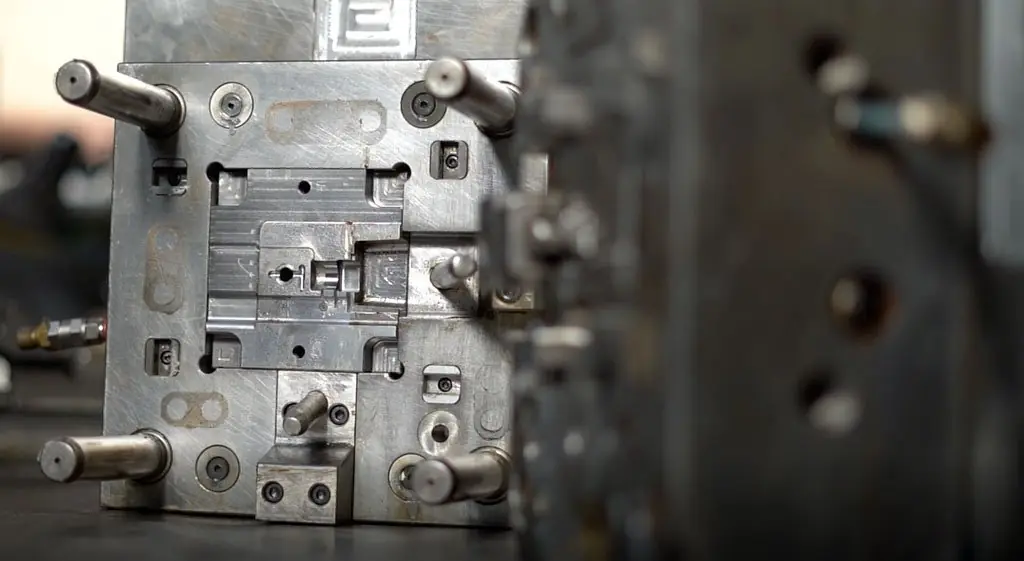
An injection mold is the tool that gives a plastic part its shape: two mold halves, one fixed and one moving, close inside the molding machine and form one or more cavities into which molten polymer is injected. The mold also houses the feed system (cold runner or hot runner), the cooling circuits and the ejection system. Its cost depends mainly on part geometry, number of cavities, undercuts, runner type and the material the mold is made of.
In plastic injection molding, the mold is usually the first piece of equipment that comes to mind, and for good reason: it defines the geometry of every part. Injection mold design is a broad subject, so this article gives an overview of the essentials.
What an injection mold is
In general terms, an injection mold consists of two mold halves. One is mounted on the fixed platen of the machine, on the injection unit side, and is called the fixed half (also known as the A side or cavity side). The other is mounted on the moving platen of the clamping unit and is called the moving half (B side or core side).
The mold defines the shape of the part through its cavities, also called impressions. Once they are filled with melt and the material has cooled sufficiently, the cavities produce the finished component.
Besides the cavities, a mold includes many other elements: ejector pins, vents, cooling channels and, where needed, side actions such as slides and lifters, which release undercuts before the part is ejected.
The following sections look at these and other components in more detail.
How injection molds are built
Mold materials
Before looking at the structure of an injection mold, here are the materials typically used to build it:
- steel, which can be alloyed, hardened, pre-hardened or nitrided depending on the application. The mold may need specific resistance to chemicals, corrosion or abrasion: glass-filled polymers, such as many engineering polyamides, and aggressive additives can severely wear the runners and cavities. Tight tolerances may also have to be held over time, in long-life molds (5+ years) that run hundreds of thousands or millions of cycles
- aluminum, for prototype molds or short runs, typically in the order of a few thousand cycles. Aluminum machines faster than steel, which saves machining time and therefore mold cost, at the price of lower wear resistance.
The choice of mold material therefore depends on several factors. The mold designer needs information on the part, the polymer and the expected volumes to select the most suitable tool material.
How injection molds are machined
A mold is essentially produced by machining blocks of steel or aluminum.
Material is removed by processes such as high-speed CNC milling, sinker EDM for fine and complex details, grinding and wire EDM. The impressions that define the part's geometry and appearance then receive the required surface finish: polishing, blasting or a texture produced by chemical etching or laser texturing, carried out by specialized texturing shops.
Basic structure of an injection mold: fixed half and moving half
As mentioned above, a mold consists of two halves, each with its own features:
- the fixed half: a stack of plates that insulate, clamp and support the insert containing the cavity side of the part. This is where the melt enters the mold, through the sprue bushing against which the machine nozzle seats. In a cold runner mold, the fixed half contains the sprue. In a hot runner mold, it contains the hot runner system, an assembly of plates enclosing heated channels that keep the melt from freezing in the feed system
- the moving half: usually the more complex half, because it contains the mechanisms that eject the molded part. Its clamping plate has through holes through which the machine's ejector rods push the ejector plate.
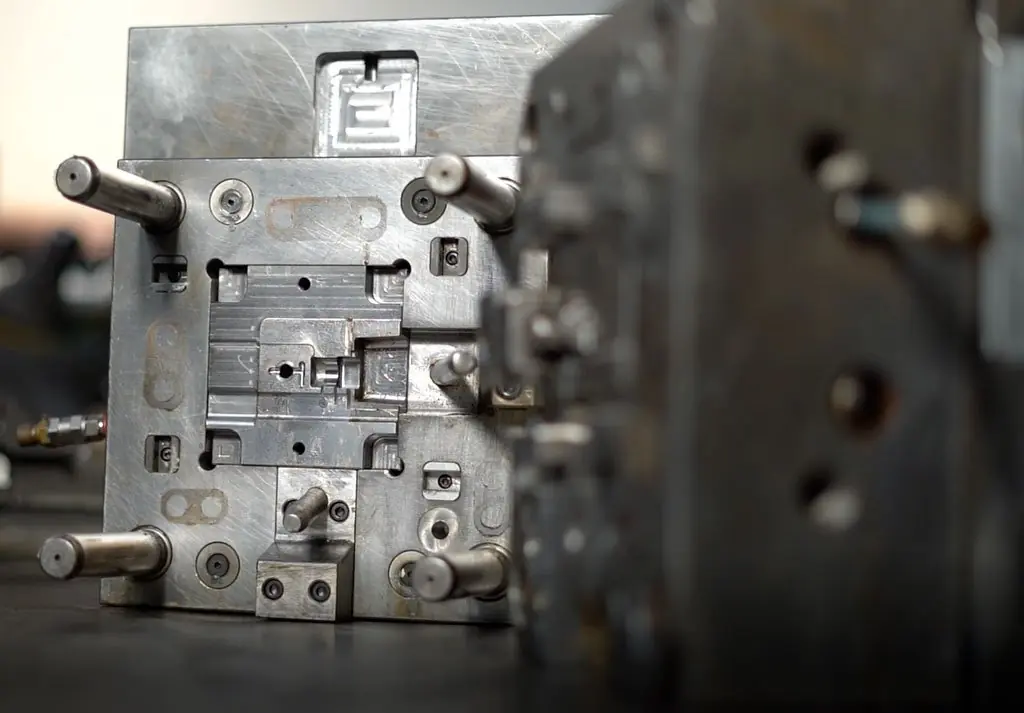
The ejector plate is a moving plate that carries the ejectors: cylindrical pins (or blades and sleeves, depending on the geometry) that push the part out of the mold half. The ejectors slide in holes that run through the plates up to the insert carrying the core side of the part, so that the part is ejected at the end of the cycle.
Cold runner and hot runner molds: the differences
Depending on the application, the molten thermoplastic can be fed into the mold by two different systems:
- cold runner: injection molding started with this system, which is why it is sometimes called "conventional". The melt flows through the sprue and the runners, which carry the thermoplastic material to the gates of each cavity. The material in the runners cools together with the part, and the sprue and runners, which are production scrap, are ejected with it
- hot runner: a hot runner system is built into the fixed half of the mold. The melt reaches the cavity directly or branches out to feed several cavities, staying molten all the way. There is usually no sprue.
The hot runner contains electric heaters that keep the melt channels at temperature. Thermocouples measure the temperature and an external hot runner controller sets each zone and regulates the power delivered to the heaters.
What drives injection mold cost
Cost can vary considerably with the type of mold and the molding solutions chosen. The main factors that affect the price of an injection mold are:
- part complexity: the more intricate the geometry, the more expensive the mold
- number of cavities: more cavities increase design and build cost, but also increase the output per machine cycle
- undercuts: undercuts prevent straight ejection and require slides, lifters or other side actions, which make the mold more complex and expensive. Wherever possible, they are best removed at the part design stage
- runner type and layout: a hot runner mold has no sprue to cool, so cycle time is shorter and there is less scrap. On the other hand, the more complex feed system raises the mold cost. A cold runner layout means a slightly longer cycle and runners to handle, but a lower mold cost
- mold material: depending on whether the mold is made from a particular tool steel or from aluminum, its cost varies significantly. At the design stage the material should be chosen according to the part requirements and the expected volumes, to find the best balance between tool life, feasibility and cost
- type and position of the ejectors
- type and layout of the cooling channels
- type and layout of the vents
- required surface finish: the more specific and elaborate the texture, the higher the final cost of the mold.
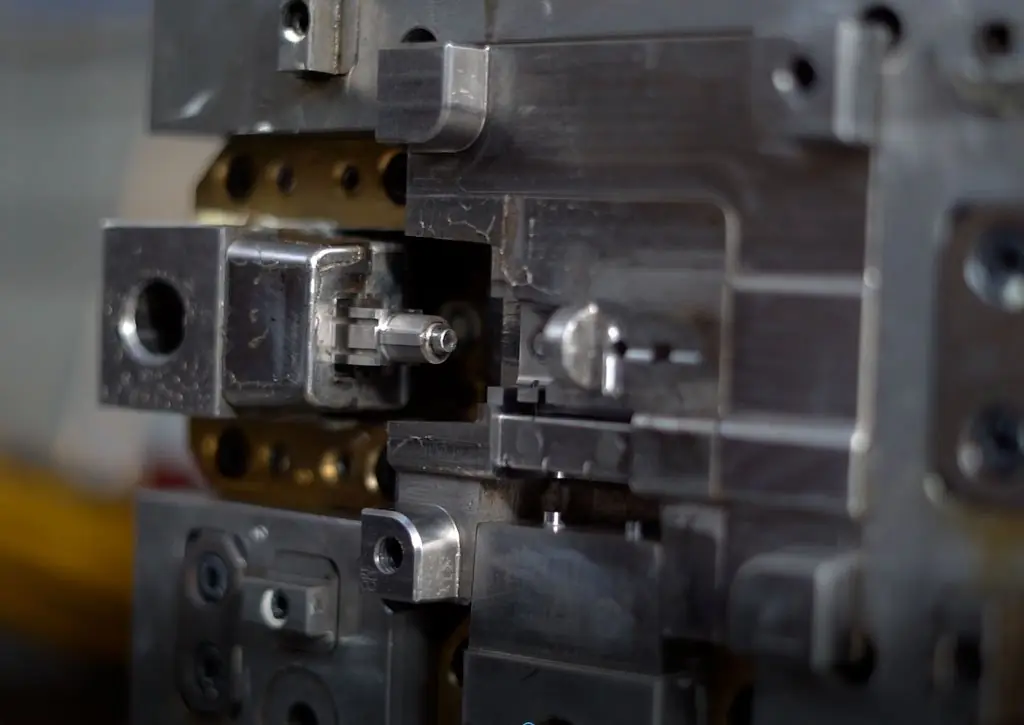
Ideally, part designer, mold designer, toolmaker, molder and customer work together in a co-design approach, weighing up all these aspects and choosing the solutions that make the mold as efficient as possible.
Injection molds: conclusions
As this overview shows, injection molds are complex tools. Careful design is needed to obtain a mold that strikes the right balance between productivity and cost.
Bemar Plast designs molds in-house, from the feasibility study to the 3D mold design, and has them built by qualified toolmakers in Italy or China, at the customer's choice, to its own technical specification; on request we prepare a dual quote, Italy and Asia. Design approval, tryout and maintenance stay with Bemar Plast, and the mold always belongs to the customer. Our core business is contract injection molding in our plant in Italy, including with molds supplied by the customer or transferred from another supplier.
Frequently asked questions
What is an injection mold?
An injection mold is the tool that gives the part its shape: two halves mounted on the platens of the molding machine close to form one or more cavities, which are filled with molten polymer. Once the part has cooled, the mold opens and the ejection system pushes it out.
Should an injection mold be made of steel or aluminum?
Steel is the choice for production tooling and for glass-filled or corrosive polymers, because it resists wear and corrosion and holds tolerances over many cycles. Aluminum machines faster and costs less, but it is suited to prototypes and short runs.
What is the difference between a cold runner and a hot runner mold?
In a cold runner mold the melt reaches the cavities through a sprue and runners that solidify every cycle and are ejected together with the part. In a hot runner mold the runners are kept molten by heaters: there is usually no sprue to scrap and the cycle is shorter, but the mold costs more.
How much does an injection mold cost?
Mold cost cannot be quoted without the part drawing: it depends mainly on part complexity, number of cavities, undercuts, runner system, tool steel and surface finish. That is why the part and the mold are best reviewed together before the tool is built.
Does Bemar Plast build injection molds?
Bemar Plast designs molds in-house and has them built by qualified toolmakers in Italy or China, at the customer's choice, to its own technical specification; design approval, tryout and maintenance stay with Bemar Plast. The mold always belongs to the customer. See injection mold design and manufacturing.