

Plastic injection molding, mold design and 3D printing services
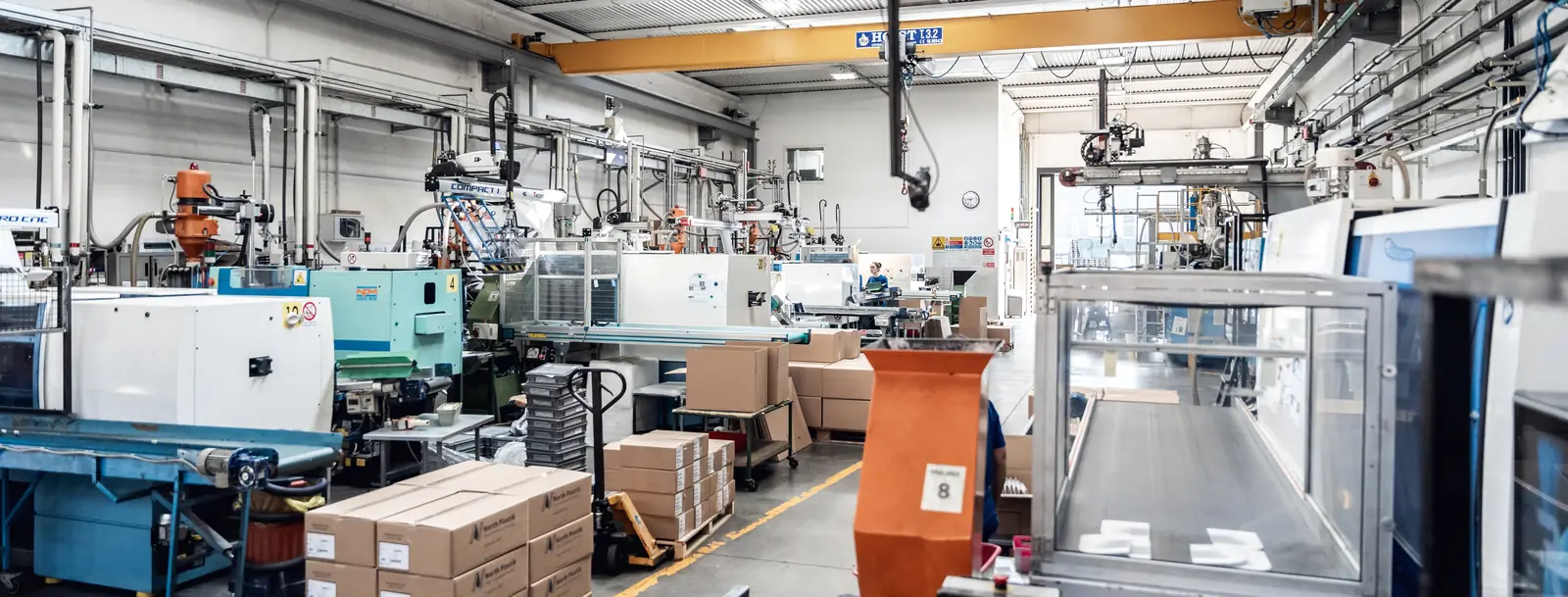
Bemar Plast S.r.l. has worked since 1995 in San Giovanni Ilarione, near Verona, Italy, with three connected services: contract plastic injection molding on 13 presses from 10 to 480 t, injection mold design and manufacturing, and 3D-printed prototypes. You can entrust us with a single service or the whole path from prototype to series production, with one point of contact.
At a glance
- Injection molding
- 13 presses from 10 to 480 t (≈ 530 US tons), 2 of them two-shot, all in Italy
- Molds
- designed in-house, built by partners in Italy or China
- 3D printing
- FDM, SLA and MJF, made in Italy
- Quantities
- 1,000 to 1 million parts a year per part number
- Customer-owned molds
- transferred from another supplier or built on your behalf
- Secondary operations
- ultrasonic welding, assembly, labeling
- Quality
- ISO 9001:2015, IMQ No. 9190.BMRP
- Languages
- Italian, English, German, French, Spanish
- Since 1995
- 3 services, one point of contact
- 13 presses, 10 to 480 t
- ISO 9001 since 2013
- All molding done in Italy
Why an Italian supplier
We mold every part in our own plant near Verona, Italy. For European companies, that means a short, transparent supply chain with a single point of contact.
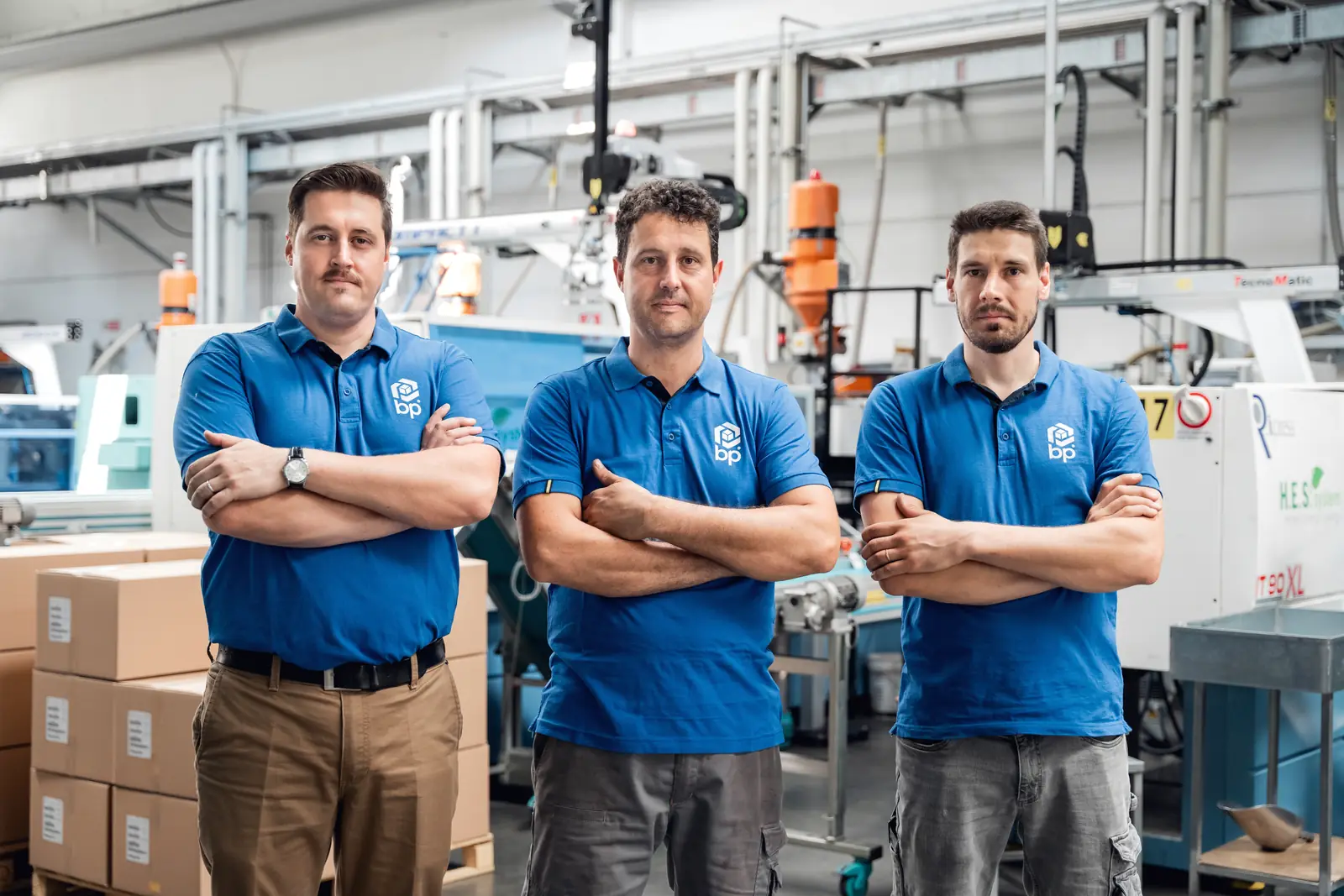
Every part molded in Italy
We mold every part in our plant in San Giovanni Ilarione, under an ISO 9001:2015 certified quality system, with documented dimensional inspection. 3D-printed prototypes are made in Italy too.
A European supply chain
For customers in the European Union: no customs formalities, Central European Time (CET), single-market rules. Customers outside the EU (UK, Switzerland, US, Canada): standard export customs procedures apply.
Molds built in Italy or China, your choice
On request we prepare a dual quote, Italy and Asia, so you can compare cost and lead time. Every mold is built by qualified partners to our technical specification; design approval, tryout and maintenance stay with us.
One technical point of contact
You talk directly to the people who design and mold your part, from feasibility to finished component.
Three services, one point of contact
- Contract plastic injection moldingTechnical components in engineering and commodity polymers on 13 presses from 10 to 480 t, including two-shot, with your molds or new ones.
- Injection mold design and manufacturingMolds designed with your engineering team and built by partners in Italy or China, with a dual quote on request.
- 3D printing and prototypingFDM, SLA and MJF prototypes made in Italy, to validate the part before the mold is built or for small quantities.
Where to start
It depends on what you already have. If you are not sure, send us the drawing and we will tell you.
A design to validate
Start with 3D printing: a prototype shows whether form, fit and function are right before you invest in the mold.
A final design, no mold
Start with mold design: we design the mold with you, have it built in Italy or China, then mold the series.
A mold running elsewhere
Start with injection molding: we assess the mold and put it into production on the right press, together with the secondary operations.
Fewer than 1,000 parts
Below the batch size we recommend for molding, the mold weighs heavily on the cost of each part: we assess with you whether 3D printing is the better option.
From prototype to series production: how the services connect
Each service can be requested on its own. When you entrust us with the whole path, these are the steps, and the same team follows them.
Part analysis
We review the drawing, material, annual volumes and requirements with your engineering team, and tell you which service to start from.
3D-printed prototype
If form, fit or function need checking, we have prototypes made in FDM, SLA or MJF by a qualified service bureau in Italy. Changes are made on the model, before the mold is built.
Mold design
Our engineering team designs the mold; filling simulations are run by specialist partners. The 3D design is approved before the mold is built.
Mold manufacturing
Partner toolmakers in Italy or China, your choice, build the mold to our technical specification. On request we prepare a dual quote, Italy and Asia. Mold tryout stays with us.
Sampling and series production
The first parts are measured and supplied with an inspection report. Once you approve them, series production starts in our plant in San Giovanni Ilarione.
Secondary operations and delivery
Ultrasonic welding, assembly, labeling and agreed packaging. The mold remains yours and, on request, we store it in our mold warehouse.
What stays the same in every service
Whether you ask us for a prototype, a mold or series production, we work the same way.
One point of contact
One person coordinates prototypes, the mold, molding and secondary operations, from first inquiry to delivery.
The mold is yours
The mold always belongs to the customer, including when we design it and have it built.
Confidentiality
We sign non-disclosure agreements (NDAs) when the customer requests them, after review by our legal team.
Five languages
Our technical staff work in Italian and English; our sales team also works in German, French and Spanish.
Quality you can measure
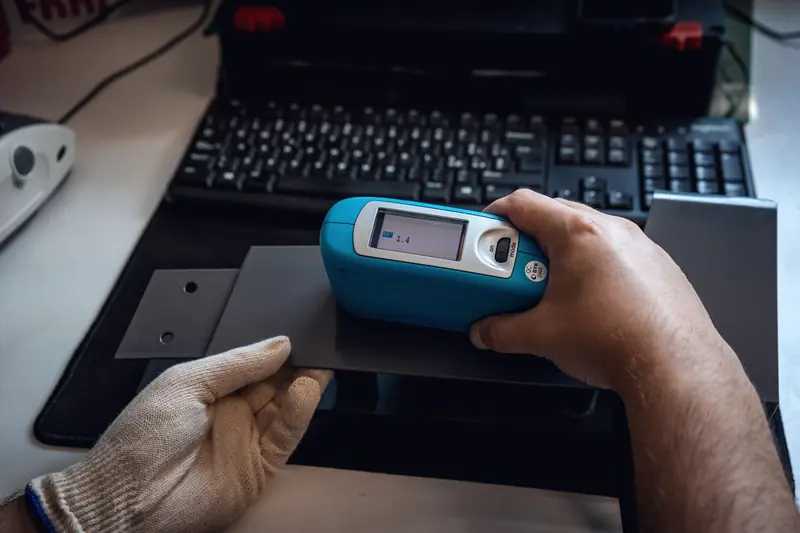
On cosmetic components, we check color with a spectrophotometer and a colorimeter.
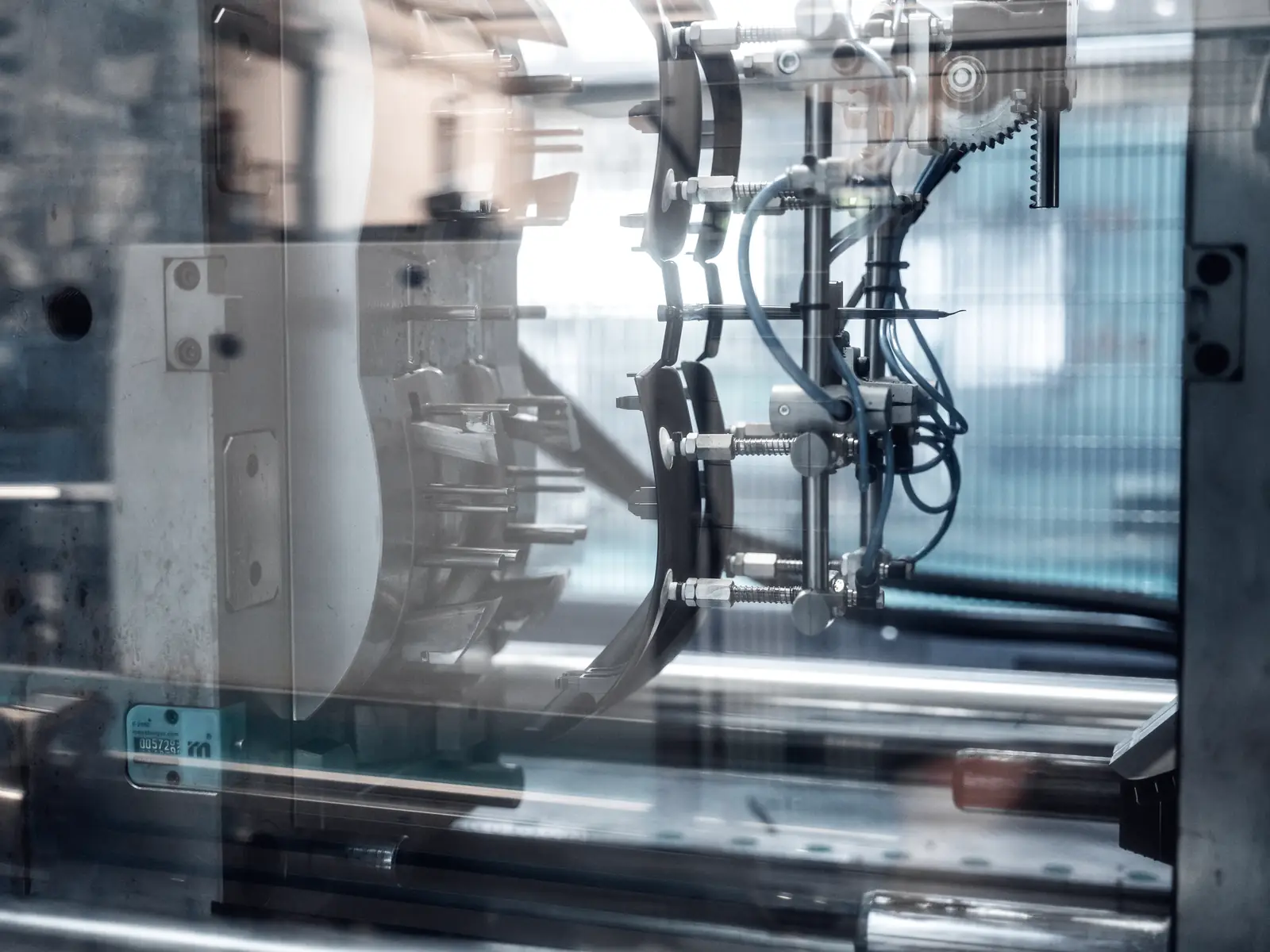
Dimensions are measured by the KEYENCE IM-X1000 image measurement system: the part is placed on the stage, with no fixtures, and the values are compared with the drawing. The result is an OK/NG judgment with an inspection report.
- Quality system
- ISO 9001 since 2013, now ISO 9001:2015 (IMQ certificate No. 9190.BMRP)
- Valid
- until June 27, 2028
Industries we serve
All three services apply to technical components for industries with precise requirements for material, tolerances and appearance.
Frequently asked questions about our services
How to choose the right service and how the services connect.
What services does Bemar Plast offer?
Bemar Plast offers three connected services: contract plastic injection molding, injection mold design and manufacturing, and 3D-printed prototypes. You can request them individually or together, with one point of contact from prototype to series production.
What is the difference between 3D printing and injection molding?
3D printing makes parts without a mold and is used for prototypes, design checks and small quantities; injection molding requires a mold and is used for series production, from a recommended 1,000 parts up to 1 million a year per part number. With injection molding the part is made in the production material, and the cost per part falls as volume rises.
Which service should I start with?
It depends on what you already have: with a design to validate, start with 3D printing; with a final design but no mold, start with mold design; with an existing mold, go straight to injection molding. If you are not sure, send us the drawing and we will tell you.
What is the minimum order quantity for injection molding?
We recommend at least 1,000 parts, although it depends on the project: below that quantity, the cost of the mold weighs too heavily on each part. For smaller quantities we suggest 3D printing; in production we run up to 1 million parts a year per part number.
Are your molds built in Italy or China?
In Italy or China, the customer's choice: Bemar Plast designs the mold and partner toolmakers build it to our technical specification. On request we prepare a dual quote, Italy and Asia, to compare cost and lead time; 3D design approval, tryout and maintenance stay with us.
Can you mold parts with our own mold?
Yes, molding with customer-owned molds is the core of our business: the mold can be transferred from another supplier or built on your behalf. We take care of molding and secondary operations; the mold remains your property and, on request, we store it in our mold warehouse.
Where are the parts made?
All injection molding takes place in our own plant in San Giovanni Ilarione, in the province of Verona, Italy, and 3D-printed prototypes are also made in Italy. New molds, on the other hand, can be built in Italy or China. Customers in the European Union have no customs formalities for the parts; for the UK, Switzerland, the US and Canada, standard export customs procedures apply.
Do you also handle secondary operations and assembly?
Yes, we handle them together with molding. We have our own ultrasonic welder, we assemble components, we label parts in-line on our 9 robotic lines and, when production requires it, we build automated work cells tailored to the part.
Do you sign non-disclosure agreements (NDAs)?
Yes. We sign non-disclosure agreements whenever the customer requests one; our legal team reviews each agreement before signing.
What do you need to prepare a quote?
To prepare a quote we need the 2D drawing or 3D model (STEP, IGES or PDF), the required material or the part's operating conditions, approximate annual quantities, and the cosmetic and tolerance requirements. If some data is missing, we define it together.
Send us your drawing, and we will tell you how to mold it
We reply with a technical assessment and a quote. To prepare them, we need three pieces of information about your component.
-
The part
The 2D drawing or 3D model of the component.
- STEP
- IGES
-
Material and annual volume
The required material, or the part's operating conditions if the material has yet to be chosen. Then the approximate annual volume.
-
Cosmetic requirements and tolerances
Visible surfaces, color and finish, and the critical tolerances to be met.
If you do not have all the data yet, write to us anyway: we will define it together.
- Phone
- +39 045 6550855
- info@bemarplast.com
- Hours
- Monday–Friday, 8 a.m.–6 p.m. Italian time (2 a.m.–noon ET)
Page maintained by the Bemar Plast Team. Last updated: November 17, 2026.