

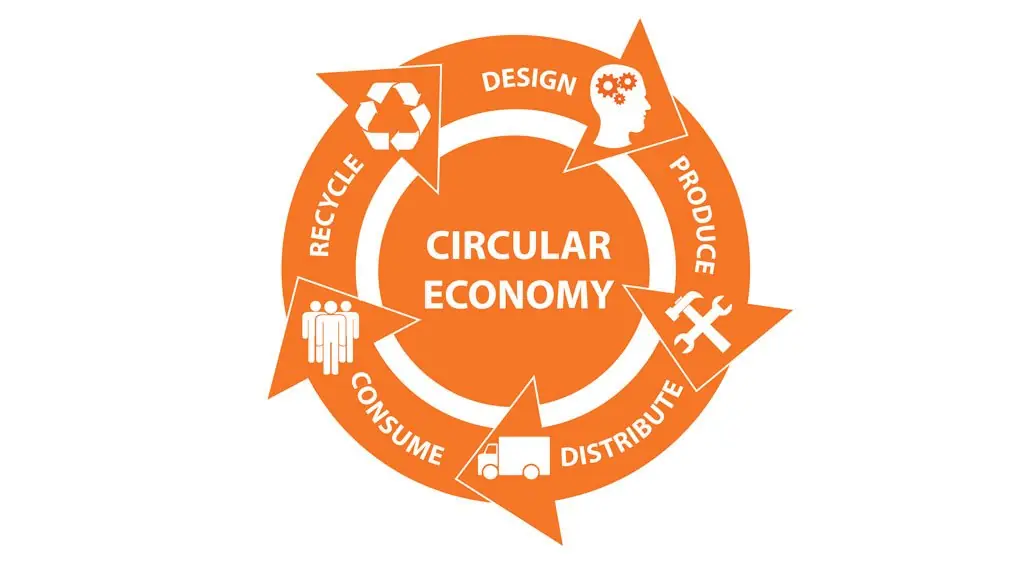
Polymers and the green economy are not at odds: plastic is a valuable engineering material, and the problem starts when its end of life is not managed, as happens in a linear economy. Moving to a circular economy, designing products that last and are easy to recycle, and making manufacturing more efficient all reduce its impact without giving up its performance.
We first wrote this article for "Plastic Free July", the month dedicated to cutting single-use plastic to a minimum, or eliminating it altogether. Here we look at why polymers are not the root of all evil but an important resource, what turned plastic into a problem, and which solutions exist for recycling and reuse.
Polymers are not the enemy
First of all, it is wrong to demonize plastic as such. It is a valuable engineering resource with many qualities:
- depending on the polymer, it offers good thermal and electrical insulation and good chemical resistance
- it is light, versatile and strong for its weight: in vehicles, less weight means lower energy consumption
- it can be used to make an enormous range of products for many industries
- it cannot be replaced one-for-one by other materials, and it offers an excellent balance between cost and service life. Just think of how many components once made of metal have been converted to plastic through metal replacement.
Polymers and the green economy: linear vs circular economy
The real problem is that for decades plastic was managed according to a linear economy: raw material goes in, the product is made and, once used, it is thrown away, often without proper disposal. Material recovery remained marginal for a long time.
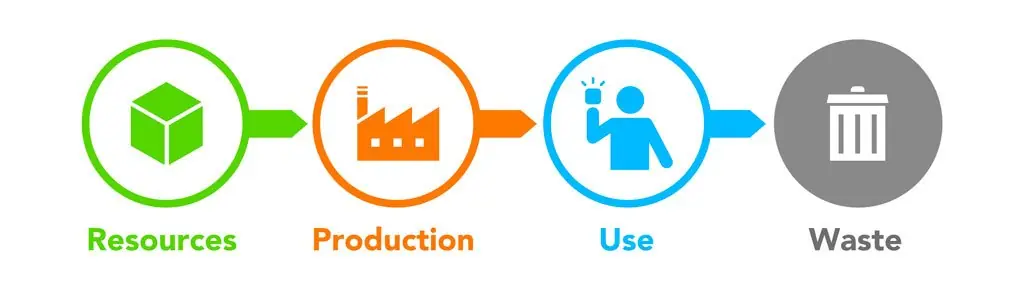
This has caused problems that are now impossible, and irresponsible, to ignore: environmental contamination, ocean pollution, uncontrolled landfills, damaged ecosystems. All because end of life was not properly managed.
That is why the shift from a linear to a circular economy is essential. The difference between the two models lies precisely in the focus on end of life: at the design stage, you already need to decide how the product, or its material, will be recovered once it has served its purpose.
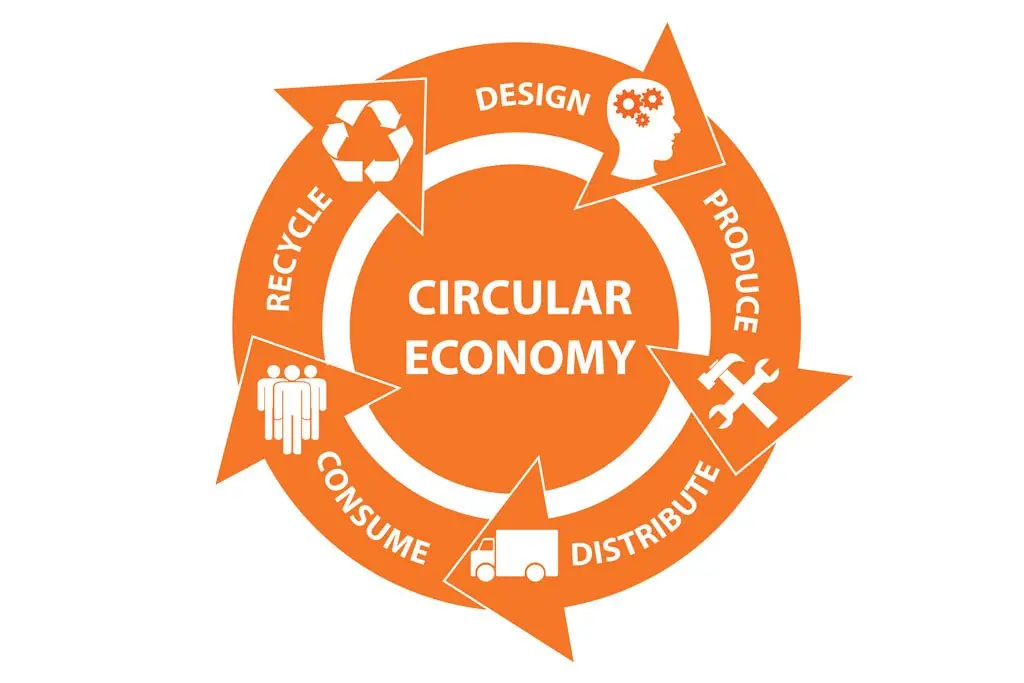
For an injection molded part, design for recycling means, where the specification allows, choosing a single material rather than several materials that cannot be separated, limiting paint finishes and inserts that cannot be removed, and marking the polymer code on the part according to ISO 11469 so that it can be identified and sorted at end of life. Widely used, easily recyclable polymers such as polypropylene (PP) are often a good starting point.
Single-use vs long-life products
It helps to divide plastic products into two broad categories:
- single-use products (bags, films, bottles, fruit nets, etc.)
- long-life products (electronic enclosures, automotive components, flower pots, garden chairs, etc.).
By definition, a single-use product has a very short life: after one or a handful of uses, it becomes waste.
The main problem with single-use plastic is therefore the amount of waste it generates. According to a 2019 WWF report, almost 400 million metric tons of plastic are produced worldwide every year, and around 100 million tons, mostly single-use, end up in the environment because no adequate recovery is in place. We need strategies to collect, recover and reuse this plastic waste properly.
A long-life product, on the other hand (in some cases 15 to 20 years or more), generates far less waste over the same period and has a lower environmental impact. This is true of many components made of engineering plastics, designed to last and, where the design allows, to be recycled at end of life.
Polymers and the green economy at Bemar Plast
Bemar Plast uses plastic injection molding to make technical thermoplastic components for the automotive, electronics, rail, medical and construction industries: long-life products. For us, the green economy and the circular economy are mainly about the manufacturing process and the choice of materials:
- 100% of our electricity comes from renewable sources, certified with Guarantees of Origin (GO)
- Hybrid Energy System (HES) presses on 11 of our 13 lines, with measured energy savings of 30–75% compared with a conventional setup
- beside-the-press granulators on all 13 lines to recover sprues and runners: regrind is reused only where the customer allows it and without compromising part quality
- where the part specification allows, we evaluate recycled, regenerated, bio-based or easily recyclable polymers together with the customer.
Conclusions
Research on plastics and the green economy keeps moving, so it is important to stay up to date on the polymers available on the market. We closely follow developments in recycled materials and their use in products that require uncompromising technical performance. When we work with a customer to choose the right material for a component, recyclability is part of the assessment.
In short, we carefully assess the sustainability of the processes, machines and materials we use.
Frequently asked questions
Is plastic compatible with the green economy?
Yes, as long as its end of life is managed. The problem is not the material but the linear take-make-dispose model: with collection, recycling and products designed to last, plastic remains a valuable engineering material that is light and often cannot be replaced by anything else.
What is the difference between a linear and a circular economy?
A linear economy makes, uses and discards products without planning for material recovery. A circular economy designs the product with its end of life in mind from the outset, so that materials and components can be recovered, recycled or reused.
Why is single-use plastic the main problem?
Because it becomes waste after one or a few uses and generates huge volumes of scrap. According to the WWF (2019), around 100 million metric tons of plastic a year, mostly single-use, end up in the environment. A technical component that stays in service for 15 to 20 years generates far less waste over the same period.
How do you design a plastic part that is easier to recycle?
Where the specification allows, use a single material instead of several that cannot be separated, and mark the polymer code on the part according to ISO 11469. Widely used, easily recyclable polymers such as polypropylene are often a good starting point.
What does Bemar Plast do to reduce the impact of production?
Bemar Plast runs on 100% renewable electricity certified with Guarantees of Origin and has Hybrid Energy System presses on 11 of its 13 lines, with measured energy savings of 30–75%. Beside-the-press granulators on all 13 lines recover sprues and runners, which are reused only where the customer allows it.